
How European Startups Are Using SAFE Agreements to Raise Capital
Quick Answer
Master SAFE equity investment for your European SME. Our 2026 guide adapts Y Combinator templates for Swiss and EU legal standards. See our full guide today.
Simple Agreements for Future Equity (SAFE) have become a popular tool for startups to raise early-stage capital quickly and efficiently. Originally developed by Y Combinator in the US, SAFE agreements are now widely adopted by European startups. They provide a flexible, founder-friendly way to secure funding without the complexities of traditional equity rounds. This article explores how SAFE agreements work, their benefits and challenges, and how European startups are using them to raise capital.
What Is a SAFE Agreement?
A SAFE agreement is a contractual promise between an investor and a startup. In exchange for an investment, the investor receives the right to convert the investment into equity at a future date, typically during the next priced funding round. Unlike convertible notes, SAFEs do not accrue interest or have a maturity date, making them simpler and less risky for startups.
Key Features of SAFE Agreements:
- No interest or repayment obligation
- Conversion into equity at a future funding round
- May include valuation caps or discounts to reward early investors
Why European Startups Are Turning to SAFEs
1. Speed and Simplicity
SAFEs streamline the fundraising process, helping startups raise capital faster without the need for complex legal negotiations.
Example: A startup in Berlin closed a €500,000 pre-seed round within two weeks using a SAFE agreement, allowing it to focus on product development.
2. Founder-Friendly Terms
Unlike traditional equity rounds, SAFEs don’t immediately give investors voting rights or board seats, allowing founders to maintain more control over the company until a future round.
Tip: SAFEs are especially useful for startups that want to avoid equity dilution during early-stage fundraising.
3. Attractive to Early Investors
Investors are drawn to SAFEs because they can participate in future rounds at a favorable price, especially when a discount or valuation cap is included. This incentivizes early investment.
Key Components of a SAFE Agreement
1. Valuation Cap
A valuation cap sets the maximum price at which the investment converts into equity during a future round. This rewards early investors by allowing them to purchase shares at a lower valuation than later investors.
Example: If a SAFE agreement includes a €5 million valuation cap, and the startup’s next funding round values the company at €10 million, the SAFE investor’s equity will convert based on the €5 million cap.
2. Discount Rate
A discount rate offers early investors a percentage discount on the share price during the next equity round. This encourages early investment by offering more favorable terms.
Example: A 20% discount rate allows SAFE investors to purchase shares at 80% of the future round’s share price.
3. Most-Favored-Nation (MFN) Clause
The MFN clause ensures that if the startup offers better terms to later investors, the SAFE investor can adopt the more favorable terms.
Tip: This clause provides protection for investors if the company offers better terms to new SAFE holders in future rounds.
How SAFEs Are Used Across Europe
1. Germany
SAFEs have become increasingly popular in Berlin’s tech ecosystem, especially for pre-seed and seed rounds. Startups use them to raise small rounds quickly, often from angel investors or early-stage VCs.
Example: A SaaS startup raised €250,000 from a group of angel investors using SAFEs, allowing it to focus on scaling without the burden of complex equity negotiations.
2. France
In France, SAFEs are used alongside grants and government incentives. Startups often combine public funding with SAFE investments to reach early milestones before raising a larger equity round.
3. UK
The UK’s SEIS/EIS tax relief schemes make SAFEs attractive, as investors can secure future equity while enjoying tax benefits. However, startups must ensure that SAFEs comply with SEIS/EIS requirements, which can add complexity.
Benefits of SAFE Agreements for Startups
1. Quick Access to Capital
SAFEs allow startups to raise funds quickly without negotiating detailed equity terms, making them ideal for early-stage rounds.
2. Reduced Legal and Administrative Costs
Because SAFEs are simpler than traditional equity rounds, startups save on legal fees and administrative costs.
3. Founder Retains Control
With no immediate voting rights for investors, founders can maintain control until the next funding round.
Challenges and Considerations
1. Uncertain Dilution Impact
Since the conversion terms depend on the future valuation, founders may face unexpected equity dilution if the company raises a high-priced round.
Solution: Set reasonable valuation caps to avoid excessive dilution.
2. Complexity in Follow-On Rounds
Managing multiple SAFE agreements with different terms (e.g., valuation caps or discounts) can become complex during follow-on funding rounds.
Tip: Use standardized SAFE templates to ensure consistent terms across multiple investors.
3. Compliance with Local Regulations
Each European country has unique financial regulations, and SAFEs must comply with local rules. Founders should work with legal experts familiar with SAFE agreements in their jurisdiction.
Best Practices for Using SAFEs Effectively
1. Use Clear and Transparent Terms
Ensure that all SAFE terms-such as valuation caps and discount rates-are clear and transparent to avoid misunderstandings with investors.
2. Combine SAFEs with Other Funding Sources
Consider combining SAFEs with non-dilutive funding, such as grants or public funding, to reduce equity dilution.
3. Prepare for Follow-On Rounds Early
Plan for the next funding round well in advance to ensure smooth conversion of SAFE agreements into equity.
Case Study: SAFE Success for a Health Tech Startup in Berlin
A Berlin-based health tech startup used SAFEs to raise €300,000 from angel investors during its pre-seed round.
- Valuation Cap: €4 million
- Discount Rate: 15%
- Outcome: The startup used the funds to develop its product and secure initial customers. Six months later, it raised a seed round at a €6 million valuation, converting the SAFEs into equity at favorable terms for the early investors.
This flexible funding strategy allowed the startup to raise capital quickly without complex equity negotiations, ensuring it could focus on product development and growth.
Conclusion: Why SAFEs Are a Game-Changer for European Startups
SAFE agreements have become a valuable tool for European startups seeking early-stage capital. They offer a fast, flexible, and founder-friendly way to raise funds without the complexities of traditional equity rounds. However, founders must carefully manage SAFE terms and ensure compliance with local regulations to avoid pitfalls.
By combining SAFEs with other funding sources and planning follow-on rounds early, startups can leverage this innovative funding mechanism to accelerate growth and attract future investments.
What does a SAFE mean for your valuation and cap table?
A SAFE (Simple Agreement for Future Equity) delays pricing your company until a later priced round, converting then at a valuation cap or a discount. It is fast and cheap, but the dilution only becomes visible at conversion, which can surprise founders who stack several SAFEs. Model the conversion before you sign. Scalemetrics supports Swiss founders with financing advisory and the valuation work behind it.
Related Resources
Scalemetrics helps Swiss SMEs act on decisions like this before market conditions shift. Our budgeting and financial forecasting services and outsourced CFO team give finance directors the senior expertise to move first.
Sources & References
SAFE Agreements in the European SME Context: Opportunities and Limitations
Simple Agreement for Future Equity (SAFE) instruments, originally developed by Y Combinator for the US startup ecosystem, have been adopted with growing frequency by European SMEs as a mechanism for raising growth capital without the complexity and cost of a priced equity round. A SAFE is a contract in which an investor provides capital today in exchange for the right to receive equity at a future date — typically at the next priced round — on terms that favour the investor relative to that round's headline valuation. For European SMEs operating in Switzerland, the use of SAFE agreements requires careful adaptation to Swiss legal requirements under the Code of Obligations (OR).
The primary appeal of SAFE instruments for Swiss SMEs is speed and simplicity. A priced equity round — involving independent valuation, shareholder resolutions, public registry filings, and extensive legal documentation — typically takes three to six months to complete and can cost CHF 50,000–150,000 in legal and advisory fees. A SAFE can be closed in a matter of days with a short-form document, at a fraction of the cost. For a Swiss SME raising a first external round or a bridge between priced rounds, this efficiency is genuinely valuable.
However, Swiss SME founders using SAFE instruments must be aware of the legal and governance implications under Swiss law. Swiss company law requires that equity issuances comply with OR procedures, including capital increase requirements, pre-emptive rights, and public registry registration. A SAFE that converts to equity must trigger these processes at conversion, and the terms of the SAFE must be designed in a way that is legally consistent with Swiss corporate law requirements. Swiss legal counsel with specific experience in Swiss venture financing structures is essential for any SAFE implementation.
Key Terms and Swiss-Specific Considerations in SAFE Structures
The economic terms of a SAFE — particularly the valuation cap and discount rate — directly determine the founder dilution that results when the instrument converts. A SAFE with a CHF 5 million valuation cap on a business that closes its next round at CHF 10 million will convert at half the price of the new round investors, resulting in significantly greater dilution for founders than the SAFE's face value would suggest. Swiss SME founders accepting SAFE investment should model the full dilution impact across a range of conversion scenarios before agreeing terms.
Post-money SAFE structures, in which the cap is applied on a post-money basis, are increasingly standard among European investors and are generally more investor-friendly in terms of dilution predictability. Swiss SMEs should evaluate whether their investor expects a post-money or pre-money structure and understand the dilution implications of each before entering negotiations.
| SAFE Term | Founder Impact | Swiss SME Consideration |
|---|---|---|
| Valuation Cap | Determines conversion price floor | Model full dilution at multiple cap levels |
| Discount Rate | Reduction on next round price | Typically 15–25% in European market |
| MFN Clause | Investor gets best terms of future SAFEs | Limits flexibility in subsequent bridge rounds |
| Conversion Trigger | Defines when SAFE converts to equity | Must align with OR capital increase process |
When SAFE Instruments Make Strategic Sense for Swiss SMEs
SAFE instruments are best suited to Swiss SMEs that have a clear near-term path to a priced equity round, need bridge capital quickly, and have investors with European venture experience who are familiar with the instrument's mechanics. They are less well suited to businesses where the conversion timeline is uncertain, where multiple SAFE tranches risk creating a complex and overlapping cap table, or where the business model is better served by structured debt than equity-linked instruments.
ScaleMetrics advises Swiss SMEs on capital structure decisions, including the appropriate use of SAFE and convertible instruments in the context of a broader fundraising strategy. Visit our investor readiness page to explore how we help businesses structure their capital raises effectively.
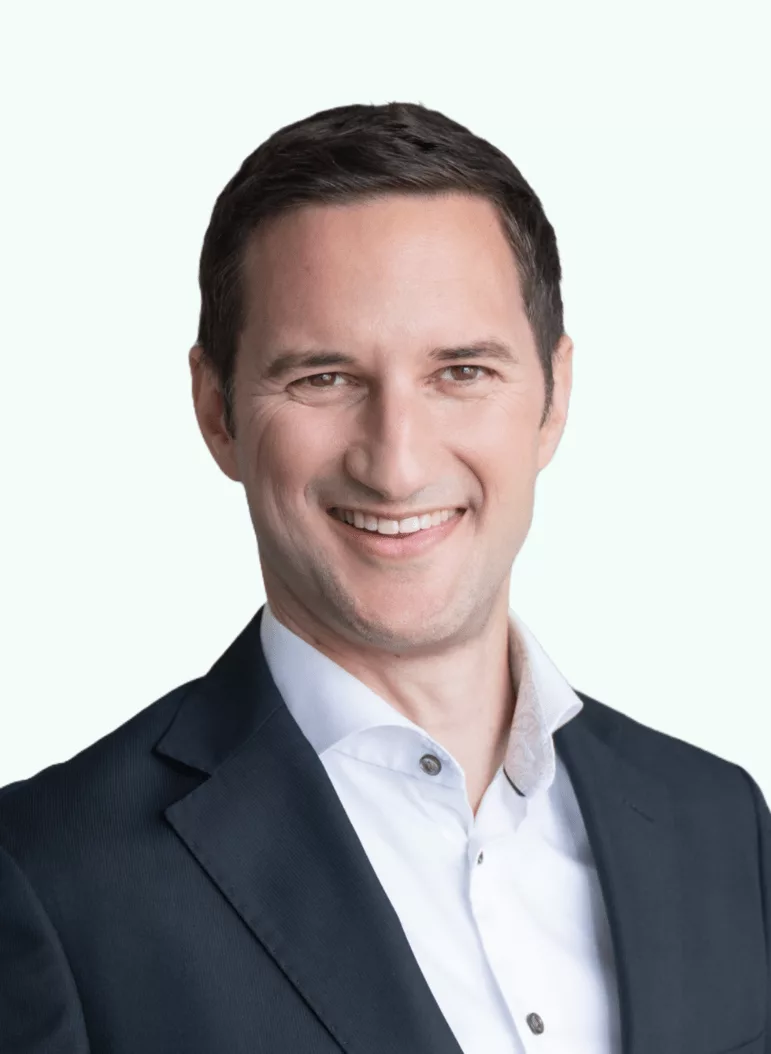
Pascal Stämpfli leverages over a decade of expertise in corporate finance and venture capital to scale and optimize businesses. A CFA charterholder with a Master's in Economics from the University of St. Gallen, Pascal specializes in market & company assessments, strategy, and business value creation. Having assessed more than 1,000 companies for financial and strategic investors provides him with a sophisticated understanding of investor rationale and capital allocation. As the Managing Director of Scalemetrics and Managing Partner at COREangels Big Data & AI Europe, Pascal operates at the intersection of financial discipline and technological innovation.