
Unbound Potential Secures €14M Pre-Seed Round to Revolutionize Energy Storage
Quick Answer
Unbound Potential secures EUR14M pre-seed funding to bring membraneless flow batteries to market. Financial planning and investor metrics explained.
Big news in the climate tech sector! Unbound Potential, a European startup focused on innovative energy storage, has just secured one of Europe’s largest pre-seed rounds – €14 million – to bring their revolutionary membraneless flow batteries to market. ⚡️
This milestone is a major step toward addressing one of the largest challenges in the energy transition: scalable and reliable energy storage. By turning years of research into a market-ready technology, Unbound Potential is positioning itself at the forefront of sustainable energy innovation.
Why This Funding Matters
Energy storage remains a critical bottleneck in the transition to renewable energy. While solar, wind, and other renewable sources are growing rapidly, the ability to store energy efficiently and at scale has lagged behind.
Unbound Potential’s membraneless flow battery technology offers:
- Scalability: Designed for large-scale energy storage applications.
- Cost Efficiency: Reduces reliance on expensive materials and components.
- Sustainability: Supports the global shift to clean, renewable energy.
Securing €14 million at the pre-seed stage not only validates the potential of the technology but also signals strong investor confidence in the team, vision, and market timing.
Scalemetrics’ Role in the Success
At Scalemetrics, we were proud to support Unbound Potential on the financial side of this journey. Our role included:
- Investor-Ready Financial Models: Ensuring projections were realistic, transparent, and compelling.
- Reporting & Metrics: Crafting clear dashboards and KPIs for investor presentations.
- Strategic CFO Guidance: Advising on funding strategy, capital allocation, and financial planning.
By handling the financial preparation, we enabled the team to focus fully on scaling their technology and advancing the future of clean energy.
Congratulations to the Team
A huge congratulations to David Taylor, Emilio Dal Re, and the entire Unbound Potential team. Their work is bold, timely, and exactly what the world needs in the fight against climate change.
For more on this story, read the Handelsblatt article.
Related Resources
Scalemetrics helps Swiss SMEs act on decisions like this before market conditions shift. Our corporate tax and VAT compliance services and outsourced CFO team give finance directors the senior expertise to move first.
Frequently Asked Questions
Why This Funding Matters?
Energy storage remains a critical bottleneck in the transition to renewable energy. While solar, wind, and other renewable sources are growing rapidly, the ability to store energy efficiently and at scale has lagged behind.
What should Swiss SMEs know about scalemetrics’ Role in the Success?
At Scalemetrics, we were proud to support Unbound Potential on the financial side of this journey. Our role included:
What should Swiss SMEs know about congratulations to the Team?
A huge congratulations to David Taylor, Emilio Dal Re, and the entire Unbound Potential team. Their work is bold, timely, and exactly what the world needs in the fight against climate change.
Sources & References
What a EUR 14M Pre-Seed Round Tells Swiss SMEs About Capital Strategy
When a European energy markets company raises EUR 14 million at pre-seed stage, it is a signal worth examining carefully — not just for what it says about investor appetite for the energy sector, but for what it reveals about the financial strategy required to raise institutional capital at the earliest stages of company development. Pre-seed rounds of this magnitude are not raised on the basis of traction metrics or financial history; they are raised on the basis of team quality, market timing, and — critically — financial credibility that makes a sophisticated investor confident the capital will be deployed effectively.
The financial credibility components of a large pre-seed raise are specific. Investors at this stage are betting on a founder's ability to manage EUR 14 million over an 18–24 month deployment period: to hire the right team at the right cost, to invest in the right development priorities, to maintain the financial controls that prevent waste and preserve the optionality for a Series A. The financial model that supports this bet must demonstrate that the founders understand their cost structure (with full employer costs correctly modelled in the applicable jurisdiction), their milestone timeline (what will be achieved and when, at what cost), and their funding bridge (how the current round funds the business to a valuation inflection point that supports the next raise).
For Swiss SMEs operating in regulated markets — energy, financial services, healthcare, logistics — the compliance dimension of the pre-seed financial model is particularly important. Investors in these sectors expect to see regulatory costs modelled explicitly: compliance team headcount, regulatory filing costs, certification expenses, and — for Swiss-domiciled companies — the full weight of Swiss social security obligations (AHV, BVG, UVG) and MWST registration and reporting requirements. Pre-seed investors who ask "have you accounted for your Swiss compliance costs?" and receive a blank look from a founder will not proceed to term sheet regardless of the market opportunity.
Applying Institutional Raise Principles to Swiss SME Growth Capital
The principles that make a EUR 14 million pre-seed raise possible apply directly to Swiss SME growth capital conversations, even at smaller scales. Whether a Swiss SME is seeking CHF 500,000 from angel investors or CHF 5 million from a family office or growth equity fund, the financial preparation required follows the same pattern: a credible financial model, a defensible use of funds, a milestone framework that connects the capital to measurable outcomes, and a compliance infrastructure that demonstrates the business is managed correctly.
Three lessons from institutional pre-seed raises that apply directly to Swiss SME capital strategy. First, raise from strength, not necessity: the companies that raise the largest rounds at the best terms are not those that are running out of cash — they are those that have demonstrated disciplined financial management and have a credible plan for deploying additional capital to accelerate a trajectory that is already positive. Second, invest in financial credibility before fundraising: the twelve weeks before a fundraising process begins are too late to build the financial model, clean up the accounts, and establish the compliance infrastructure. These should be in place and operational before the first investor conversation begins. Third, match funding structure to business model: a EUR 14 million pre-seed for an energy markets company has a specific capital requirement driven by the technology development and regulatory pathway. Swiss SMEs should be equally precise about why they need the amount they are raising and what they will specifically not be able to do without it.
Pre-Seed Capital: Financial Preparation Checklist for Swiss Companies
| Preparation Area | Minimum Standard | Best Practice |
|---|---|---|
| Financial Model | 3-year P&L with annual view | Integrated 3-statement, monthly Year 1, scenarios |
| Swiss Cost Model | Gross salary only | Total employer cost including AHV/BVG/UVG |
| Use of Funds | Pie chart breakdown | Milestone-linked with timing and cash deployment |
| Compliance Status | Fiduciary confirms accounts filed | AHV/BVG/MWST current, clean audit trail |
| Data Room | Deck and model only | Full data room: accounts, contracts, cap table, HR |
Raising institutional capital at any stage requires financial preparation that mirrors institutional standards. Our investor readiness service ensures Swiss companies are prepared to the standard that professional investors expect — from the first conversation to the final close.
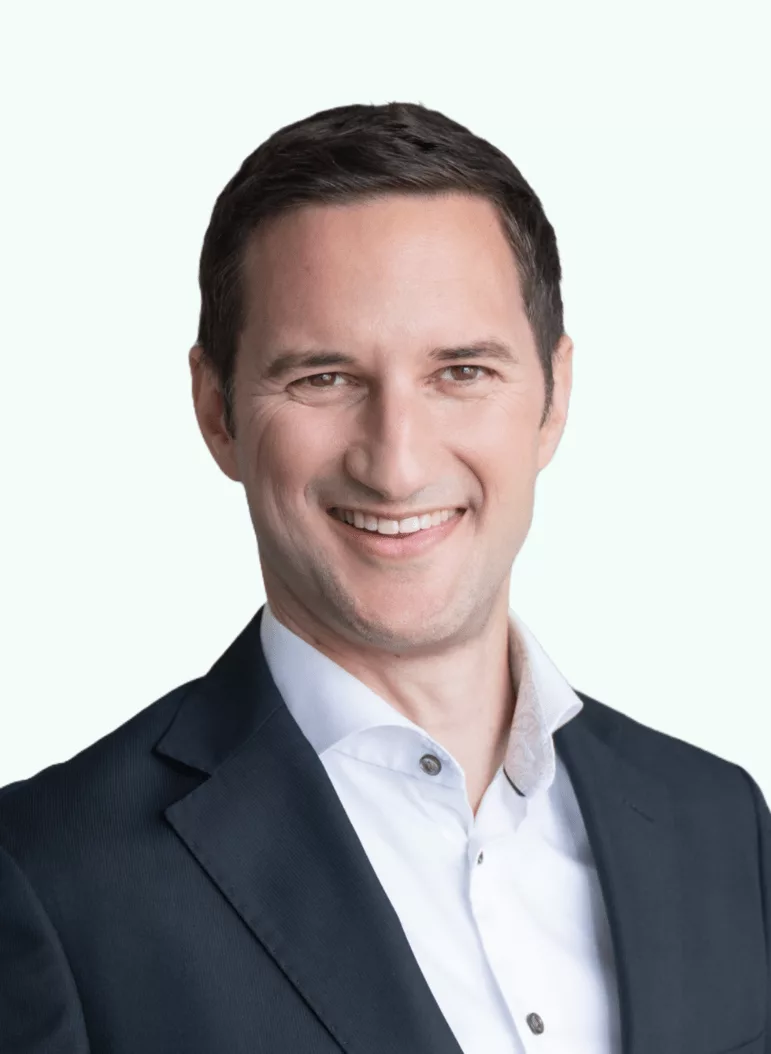
Pascal Stämpfli leverages over a decade of expertise in corporate finance and venture capital to scale and optimize businesses. A CFA charterholder with a Master's in Economics from the University of St. Gallen, Pascal specializes in market & company assessments, strategy, and business value creation. Having assessed more than 1,000 companies for financial and strategic investors provides him with a sophisticated understanding of investor rationale and capital allocation. As the Managing Director of Scalemetrics and Managing Partner at COREangels Big Data & AI Europe, Pascal operates at the intersection of financial discipline and technological innovation.